


Y2K nostalgia is exploding across streetwear and pop culture, with timelines flooded by metallic fabrics, holographic textures, and the unmistakable energy of early internet style. And get this. A 2023 SHS Web of Conferences study found that this revival is not just about bringing back old fashion but is actually driven by Gen Z’s need to reconnect with a pre-social media era of technological optimism. Most people think it’s all about looks and trends. What if the real story is about using style to rewrite our relationship with technology and make sense of a rapidly changing digital world?
Table of Contents
- What Is Y2K Nostalgia And Its Cultural Significance?
- Why Y2K Aesthetics Are Reshaping Streetwear Identity
- How Y2K Influences Trendsetters And Designers
- Key Elements Of Y2K Style In Today’s Streetwear
- The Intersection Of Technology, Fashion, And Y2K Nostalgia
Quick Summary
| Takeaway | Explanation |
|---|---|
| Y2K nostalgia reconnects generations | This cultural phenomenon allows individuals to experience and reinterpret the optimistic technology of the late 90s and early 2000s. |
| Y2K aesthetics serve as identity tools | Young people leverage this style to articulate personal and collective identity, shaping narratives around contemporary experiences. |
| Fashion expresses digital memories | The Y2K aesthetic transforms technological memories into clothing, creating visual narratives that challenge modern minimalism. |
| Designers embrace playful nostalgia | Contemporary fashion utilizes Y2K elements to reimagine past technological influences in innovative and meaningful designs. |
| Streetwear blends technology with storytelling | Y2K streetwear transcends fashion, serving as a platform for cultural expression and generational storytelling through visual language. |
What is Y2K Nostalgia and its Cultural Significance?
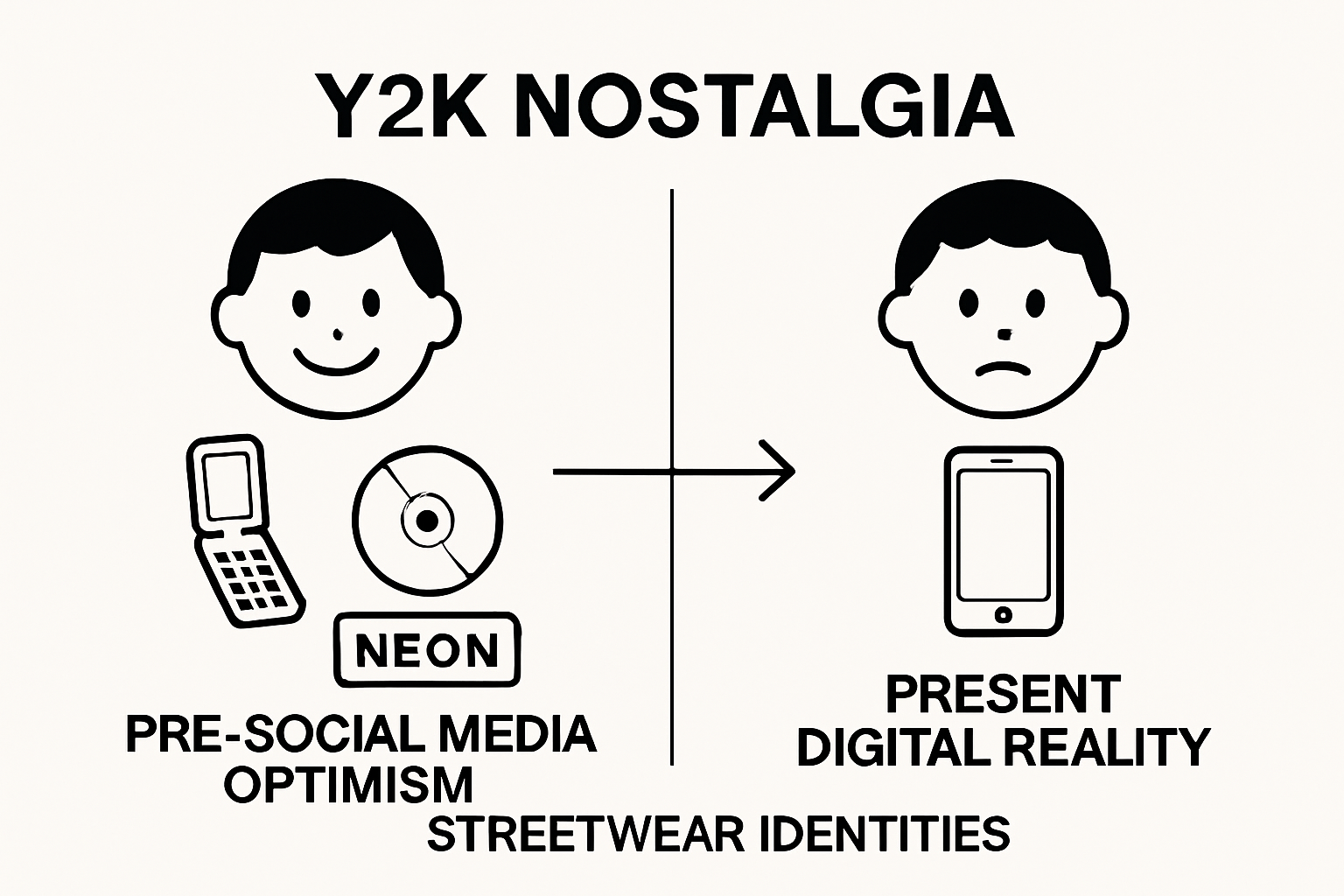
Y2K nostalgia represents more than just a fashion trend – it’s a profound cultural phenomenon that reconnects a generation with the optimistic technological aesthetics of the late 1990s and early 2000s. This cultural revival goes beyond mere aesthetic reproduction, serving as a complex emotional and social mechanism for understanding contemporary experiences through a nostalgic lens.
The Psychological Roots of Y2K Nostalgia
According to SHS Web of Conferences, the resurgence of Y2K style is deeply rooted in generational psychology. Generation Z, who experienced their childhood during this era, now seeks to recreate and reinterpret the visual and emotional landscape of that period.
Key psychological drivers of Y2K nostalgia include:
- A desire to revisit a pre-social media era of technological innocence
- Comfort in reimagining a time perceived as less complicated and more optimistic
- Emotional reconnection with childhood memories and sensory experiences
Cultural Significance and Identity Construction
Beyond personal nostalgia, Y2K aesthetics function as a powerful tool for identity construction. The style represents more than fashion – it’s a language of cultural expression that bridges generational experiences. Young people are using Y2K-inspired aesthetics to:
- Challenge contemporary digital fatigue
- Create alternative narratives of technological interaction
- Redefine personal and collective identity through visual storytelling
The movement transcends simple trend replication, emerging as a nuanced dialogue between past technological dreams and present cultural realities. By embracing Y2K aesthetics, individuals are not just wearing a style – they are performing a complex narrative of technological hope, digital memory, and generational resilience.
Here is a comparison table outlining how Y2K nostalgia shapes the identity construction and cultural narrative of contemporary streetwear.
| Aspect | Y2K Nostalgia in Streetwear | Contemporary Fashion Trends |
|---|---|---|
| Cultural Focus | Technological optimism and pre-social media era | Minimalism and post-digital aesthetics |
| Identity Expression | Visual storytelling of digital memories | Brand-driven or self-expressive statements |
| Emotional Connection | Reconnection with childhood optimism | Focus on current trends and individuality |
| Generational Relevance | Bridges late 90s/early 2000s with Gen Z experiences | Reflects present-day values and anxieties |
| Visual Language | Metallics, holographics, digital motifs | Clean lines, subtle patterns |
Why Y2K Aesthetics Are Reshaping Streetwear Identity
The Y2K aesthetic is transforming streetwear from a fashion statement into a powerful narrative medium, redefining how young generations express identity through clothing. This visual language transcends traditional fashion boundaries, creating a dynamic intersection between technology, memory, and personal storytelling.
Digital Memory and Visual Rebellion
According to Research on Digital Nostalgia, the Y2K aesthetic represents more than nostalgic reproduction – it’s a form of cultural resistance. Generation Z is using these aesthetics to challenge contemporary digital experiences by reimagining technological optimism through fashion.
Key characteristics of Y2K streetwear identity include:
- Reclaiming technological innocence through visual design
- Transforming digital memories into wearable narratives
- Rejecting minimalist contemporary aesthetics in favor of maximalist expression
Technological Storytelling Through Fashion
Y2K aesthetics function as a complex communication system where clothing becomes a medium for expressing generational experiences. Streetwear now serves as a platform for articulating technological dreams, digital anxieties, and collective memory. Learn more about our approach to narrative fashion, where we explore how garments can encode deeper cultural meanings.
The movement goes beyond visual reproduction, emerging as a nuanced dialogue between technological nostalgia and contemporary identity construction. By embracing Y2K-inspired designs, individuals are creating a visual language that speaks to shared experiences of digital transformation, technological wonder, and generational resilience.
How Y2K Influences Trendsetters and Designers
The Y2K aesthetic has become a powerful catalyst for creative reinvention, challenging designers to reimagine technological nostalgia through contemporary fashion perspectives. This movement represents more than a simple trend – it’s a complex dialogue between past digital dreams and present design philosophies.
Redefining Design Paradigms
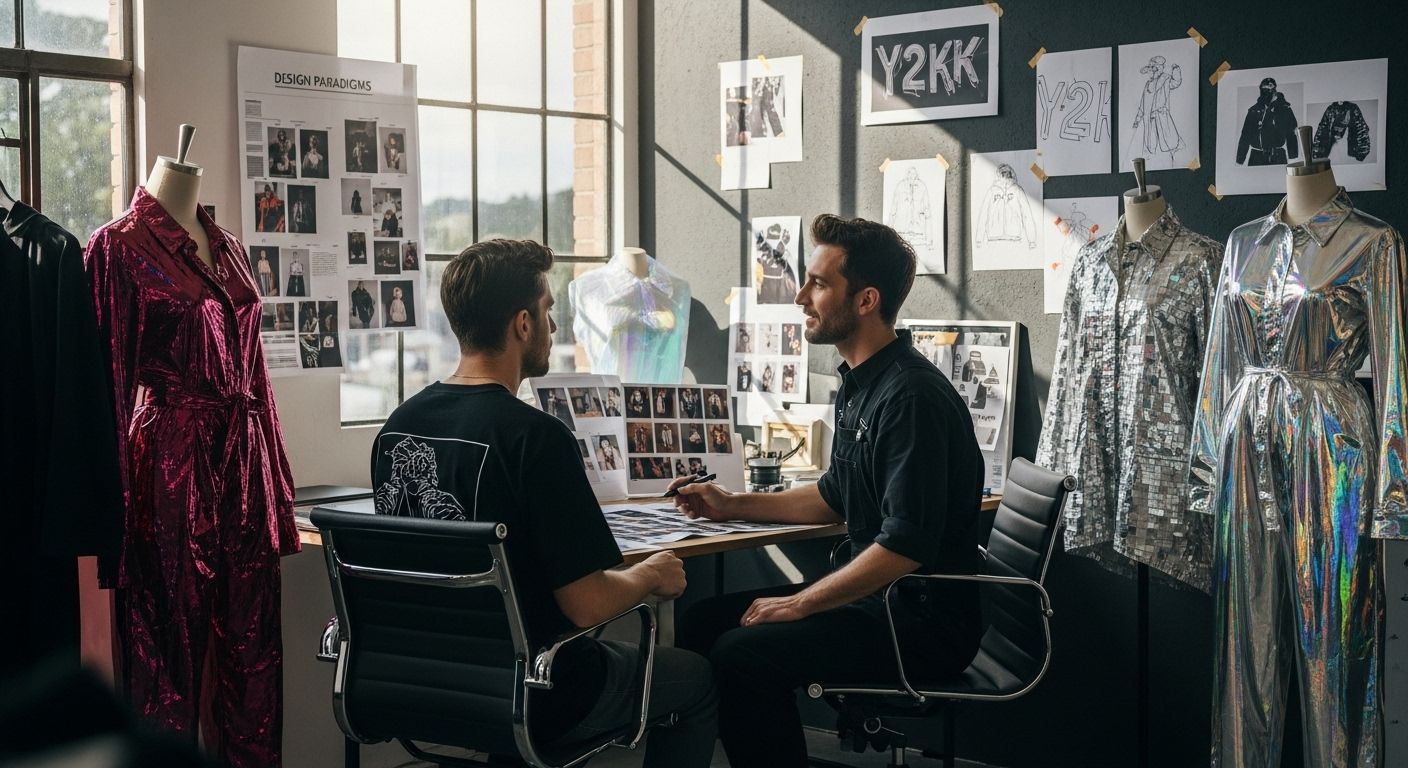
According to Financial Times Fashion Research, contemporary designers are embracing a playful, nostalgic approach that draws directly from Y2K visual languages. The trend goes beyond mere reproduction, transforming childhood technological memories into sophisticated design statements.
Key design strategies emerging from Y2K influences include:
- Integrating synthetic and metallic materials
- Reimagining digital-era color palettes
- Creating garments that function as technological memory artifacts
Trendsetters as Cultural Architects
Y2K aesthetic pioneers are not just reproducing styles – they are constructing entire narrative universes through fashion. Trendsetters view clothing as a complex communication platform, where each garment tells a story about technological optimism, digital memory, and generational experience.
The movement represents a profound shift in how fashion communicates cultural narratives. By embracing Y2K aesthetics, designers and trendsetters are creating a visual language that speaks to shared experiences of technological transformation, challenging traditional fashion boundaries and reimagining personal identity through clothing.
Key Elements of Y2K Style in Today’s Streetwear
Y2K streetwear represents a vibrant fusion of technological nostalgia, digital memory, and contemporary fashion sensibilities. This aesthetic transcends simple trend reproduction, emerging as a complex visual language that communicates generational experiences through strategic design choices.
Material and Texture Revolution
According to Wikipedia’s Y2K Aesthetic Overview, the fundamental characteristics of Y2K style are rooted in synthetic and metallic materials that capture the technological optimism of the early internet era. Explore our guide to cutting-edge streetwear aesthetics, where we delve deeper into these transformative design principles.
Key material and textural elements include:
- Metallic and synthetic fabric compositions
- Reflective surfaces mimicking digital interfaces
- Iridescent and holographic textures
Visual Language and Silhouette Dynamics
Y2K streetwear goes beyond material selection, reimagining clothing as a complex communication platform. The style embraces oversized, fluid silhouettes that challenge traditional fashion boundaries, creating garments that function as wearable narratives of technological anticipation.
Critical visual components encompass:
- Low-rise and cargo-inspired pants
- Graphic tees with digital and cyber motifs
- Layered, asymmetrical design elements
By integrating these design principles, contemporary streetwear transforms Y2K aesthetics from mere nostalgic reproduction into a powerful medium of cultural expression, allowing individuals to encode their technological memories and generational experiences directly into their personal style.
This table summarizes the core materials, textures, and visual elements that define Y2K-inspired streetwear as explained in the article.
| Element Type | Key Features | Description |
|---|---|---|
| Material | Metallic and synthetic fabrics | Evokes early internet era and technological optimism |
| Texture | Reflective, iridescent, holographic surfaces | Mimics digital interfaces and adds dynamic visual impact |
| Silhouette | Oversized, fluid, low-rise, cargo-inspired | Challenges traditional norms; inspired by 90s/00s silhouettes |
| Graphics | Digital/cyber motifs, early digital graphics | Encodes technological memories; nods to Y2K digital culture |
| Layering/Structure | Layered, asymmetrical design elements | Adds complexity and narrative depth to the overall look |
The Intersection of Technology, Fashion, and Y2K Nostalgia
The convergence of technology, fashion, and Y2K nostalgia represents a profound cultural phenomenon where digital memory becomes a wearable experience. This intersection transforms clothing from a mere aesthetic choice into a complex narrative medium that encodes generational technological experiences.
Digital Memory as Design Language
According to SHS Web of Conferences Research, the Y2K aesthetic is not simply a retrospective trend but a nuanced design philosophy that reimagines technological optimism through fashion. Explore our deep dive into technology-driven fashion, where we unpack the intricate relationship between digital culture and streetwear.
Key technological design principles include:
- Translating digital interfaces into fabric textures
- Embedding technological narratives within garment design
- Creating clothing that functions as a memory artifact
Nostalgia as Technological Storytelling
Y2K nostalgia emerges as a powerful mechanism for understanding contemporary digital experiences through the lens of early internet culture. This approach allows individuals to process technological transformation by wearing garments that represent both memory and anticipation.
Critical narrative components encompass:
- Reinterpreting early digital graphics and interfaces
- Transforming technological anxiety into creative expression
- Using fashion as a medium for intergenerational communication
By synthesizing these elements, Y2K-inspired fashion becomes more than clothing – it transforms into a dynamic platform for exploring technological identity, bridging past digital dreams with present cultural experiences.
Experience Y2K Streetwear Narratives Brought to Life
Are you searching for a bold way to show your love for Y2K nostalgia and craving clothing that truly tells your story? The article highlighted how streetwear fans today demand more than trends—they want fashion that captures technological optimism and generational memory. Many feel frustrated with generic designs and a lack of connection in street fashion. At Multiversity Store, every collection revives that spirit by fusing Y2K-inspired looks with character-driven storytelling and immersive lore. Dive into our Multiversity glitch-coded apparel | Vault, Alt & Streetwear Fashion to unlock collectibles and limited pieces that embody personal and cultural identity.

Why settle for ordinary streetwear when you can own pieces packed with meaning and uniqueness? Each drop in our store offers more than just apparel—think of it as wearable storytelling that connects your memories with future-forward style. Explore exclusive accessories like our boundary-pushing ALT-Style Bags and discover even rarer finds in the Vault Bags collection. Experience the next wave of streetwear at Multiversity Store today and become part of a movement where your style sparks conversation and stands out. Act now and transform nostalgia into your signature look.
Frequently Asked Questions
What is Y2K nostalgia?
Y2K nostalgia refers to a cultural revival that reconnects individuals, particularly Generation Z, with the aesthetic and emotions of the late 1990s and early 2000s. It emphasizes a longing for the technological optimism and simplicity of that era.
How is Y2K aesthetic influencing streetwear?
Y2K aesthetic influences streetwear by integrating elements such as synthetic and metallic materials, oversized silhouettes, and digital motifs. This combination creates a dynamic expression of identity and nostalgia through clothing.
What are the key characteristics of Y2K streetwear?
Key characteristics of Y2K streetwear include the use of metallic and synthetic fabrics, oversized and fluid silhouettes, low-rise pants, and graphic tees featuring digital imagery. These elements reflect the technological essence of the early internet era.
How does Y2K nostalgia impact identity construction?
Y2K nostalgia impacts identity construction by allowing young people to use fashion as a medium for expressing their generational experiences. It serves as a tool for challenging contemporary digital fatigue and redefining personal identity through visual storytelling.
Recommended
- Glitchwave vs Cyberpunk
- What Is Multiversity? The Rise of Streetwear Lore
- Beyond Supreme & BAPE
- The Rise of glitch-coded apparel in the Streetwear Multiverse
EARLY ACCESS
Get Access Before Public Release
Join the Multiversity signal list for limited releases, Mode updates, and early access windows.