


Streetwear has exploded from city streets into a worldwide industry worth $185 billion, making up about 10 percent of all global apparel and footwear sales. That explosive number might have you picturing just sneakers and logo tees flying off the shelves. But the real story? Streetwear is less about what people wear and more about how entire cultures, identities, and social movements have reshaped the very idea of fashion.
Table of Contents
- The Evolution Of Streetwear: A Cultural Revolution
- Streetwear’s Impact On Identity And Expression
- The Economic Significance Of Streetwear
- Collaborations And Trends: Shaping Streetwear Culture
- Sustainability And Future Directions In Streetwear
Quick Summary
| Takeaway | Explanation |
|---|---|
| Streetwear is rooted in urban subcultures. | Streetwear originated from skateboarding, hip hop, and punk scenes, rejecting mainstream fashion norms through grassroots expression. |
| Digital platforms expand streetwear’s global reach. | Social media allows designers and consumers to connect worldwide, turning streetwear into an international cultural phenomenon. |
| Fashion as a medium for social commentary. | Streetwear communicates complex narratives of identity and resistance, turning garments into visual activism for marginalized communities. |
| Streetwear drives economic change in fashion. | With a market size of approximately $185 billion, streetwear reshapes retail models through limited drops and high demand strategies. |
| Sustainability is becoming essential in streetwear. | Brands are integrating eco-friendly practices in their production, highlighting the importance of social responsibility in contemporary fashion. |
The Evolution of Streetwear: A Cultural Revolution
Streetwear represents more than just clothing. It is a powerful cultural movement that emerged from the underground scenes of urban communities, transforming fashion from a top-down industry to a grassroots expression of identity and social commentary.
Origins in Subculture
The roots of streetwear trace back to multiple urban subcultures in the late 1970s and early 1980s. Skateboarding, hip hop, and punk scenes in cities like New York and Los Angeles became crucibles for a new aesthetic that rejected mainstream fashion norms. According to research analyzing global fashion dissemination, these urban environments were critical in developing streetwear’s distinctive visual language.
To clarify the foundations of streetwear, the following table outlines key subcultures that shaped its early development and the unique influences each contributed.
| Subculture | Key Influence on Streetwear | Example Contribution |
|---|---|---|
| Skateboarding | Prioritized comfort, durability, and DIY graphics | Skate brands with graphic t-shirts |
| Hip Hop | Emphasized personal branding and cultural storytelling | Artists designing personalized merchandise |
| Punk | Advocated anti-establishment and nonconformist aesthetics | Rejecting mainstream fashion, DIY elements |
| Graffiti | Turned clothing into canvases for self-expression and rebellion | Graffiti artists using apparel as mediums |
Key influences in streetwear’s early development included:
- Skateboard brands creating their own graphic t-shirts
- Hip hop artists designing personalized merchandise
- Graffiti artists using clothing as another canvas for expression
Global Transformation and Democratization
Streetwear rapidly evolved from localized subcultures to a global phenomenon by challenging traditional fashion hierarchies. Unlike haute couture, which was historically controlled by elite designers, streetwear emerged as a democratic form of self-expression. Brands like Supreme, founded in 1994, exemplified this shift by creating limited edition drops that transformed clothing into collectible cultural artifacts.
The digital age further accelerated streetwear’s global reach. Social media platforms and online communities allowed designers, artists, and enthusiasts to connect across geographical boundaries, creating a truly international streetwear ecosystem.
Cultural Significance Beyond Fashion
Streetwear transcends clothing. It represents a form of cultural storytelling where garments communicate personal narratives, social perspectives, and artistic statements. Digital archives documenting street fashion reveal how these clothing items encode complex social dynamics, serving as visual manifestos of identity, resistance, and creativity.
Today, streetwear continues to challenge fashion norms, blur boundaries between high and low culture, and provide marginalized communities a platform for self-representation and empowerment.
Streetwear’s Impact on Identity and Expression
Streetwear functions as a powerful medium of personal and collective communication, transforming clothing from mere fabric into a dynamic language of self-representation and social narrative.
Personal Narrative Through Clothing
Individuals use streetwear as a canvas to broadcast their inner worlds, cultural affiliations, and personal philosophies. Each garment becomes a statement, communicating complex layers of identity that transcend traditional fashion boundaries. According to University of Pennsylvania research, streetwear enables marginalized communities to assert their values and histories through deliberate fashion choices.
Key aspects of personal expression through streetwear include:
- Communicating cultural heritage
- Challenging societal stereotypes
- Representing subcultural affiliations
- Displaying artistic and creative perspectives
Collective Identity and Social Resistance
Beyond individual expression, streetwear operates as a collective language of resistance and solidarity. Marginalized communities have historically used fashion as a tool for social commentary, transforming clothing into a form of visual activism. Graphic tees, deliberately oversized silhouettes, and unique design elements become powerful symbols of community resilience and shared experience.
The aesthetic choices in streetwear often represent more than fashion trends they embody social movements, cultural reclamation, and collective identity. From hip hop artists redefining masculinity to skate culture challenging corporate norms, streetwear serves as a visual manifesto of cultural transformation.
Global Dialogue and Cultural Exchange
Streetwear has emerged as a global communication platform, transcending geographical and cultural boundaries. Digital platforms and social media have accelerated this phenomenon, allowing fashion enthusiasts worldwide to share, remix, and reinterpret styles. This global exchange creates a dynamic, interconnected dialogue where fashion becomes a universal language of creative expression.

The power of streetwear lies in its ability to democratize fashion, giving voice to narratives that were historically marginalized. It represents not just clothing, but a complex system of communication where personal style becomes a powerful tool for understanding, challenging, and reimagining social identities.
The Economic Significance of Streetwear
Streetwear has transformed from a niche cultural movement into a significant economic powerhouse, reshaping global fashion markets and challenging traditional retail paradigms.
Market Size and Growth Dynamics
The streetwear industry represents a substantial economic segment with remarkable growth potential.
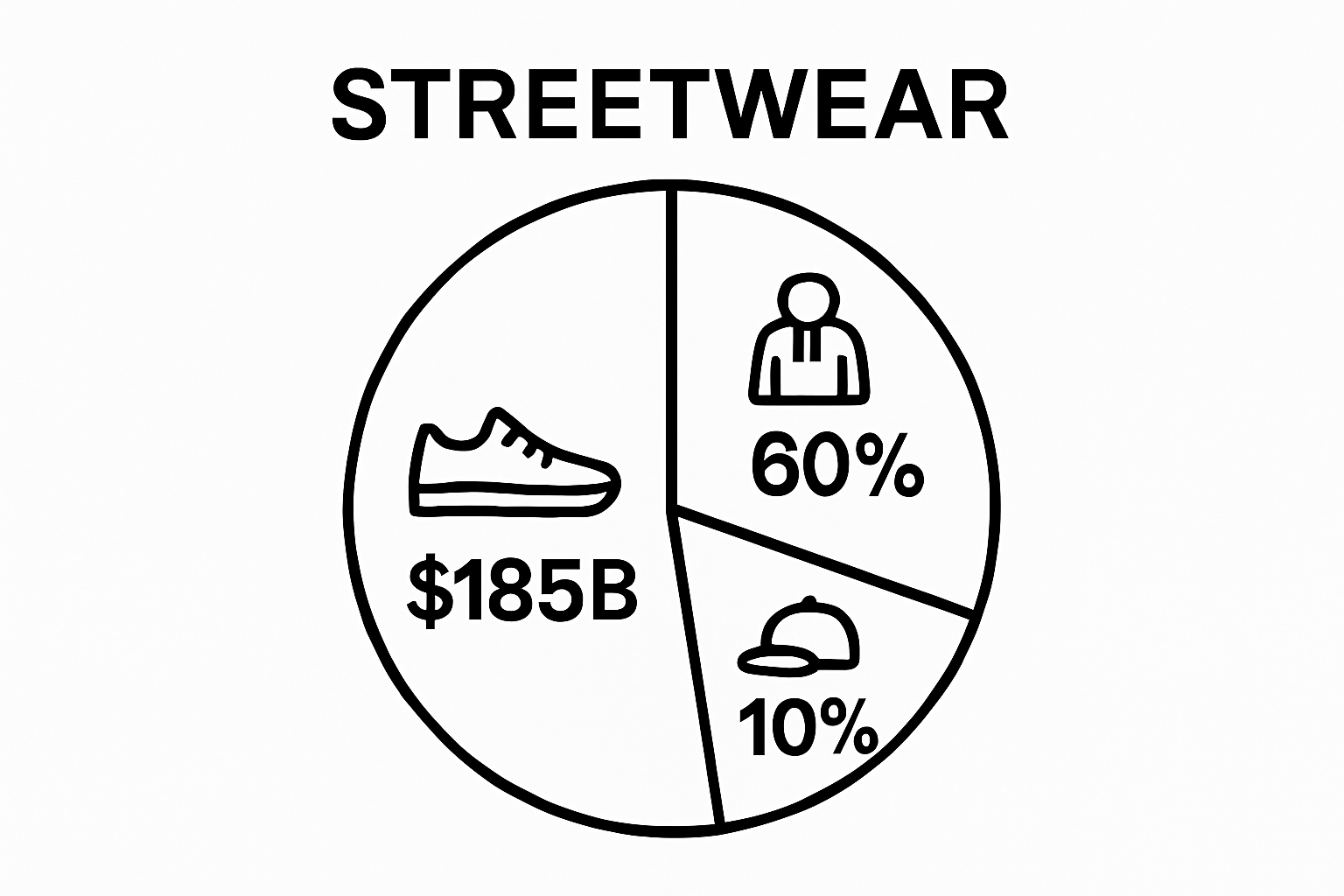
Research from Strategy& reveals that the global streetwear market is estimated at $185 billion, constituting approximately 10% of the entire global apparel and footwear market. This economic significance is driven by several critical factors
 :
:
- Predominantly young consumer base (over 60% under 25)
- High engagement through social media platforms
- Rapid trend cycles and limited edition releases
- Strong brand loyalty among consumers
Disruption of Traditional Retail Models
Streetwear has fundamentally reimagined retail strategies, introducing innovative approaches like limited drop collections and digital-first marketing. Brands leverage scarcity and exclusivity to create unprecedented demand, transforming clothing from a commodity into a collectible asset. This model generates significant economic value by creating artificial scarcity and cultivating a culture of immediate acquisition.
The “drop” model, where brands release limited quantities of products at specific times, has become a powerful economic strategy. This approach generates massive consumer excitement, drives online and offline engagement, and allows brands to maintain premium pricing structures.
Global Economic Ecosystem
Beyond direct sales, streetwear has created complex economic ecosystems involving designers, artists, influencers, and digital platforms. The industry generates revenue streams through multiple channels: direct product sales, collaborative collections, merchandise licensing, and digital content creation.
The economic impact extends beyond fashion, influencing adjacent industries like music, art, and digital media. Streetwear has become a global economic language, transcending traditional market boundaries and creating new opportunities for creative entrepreneurship.
Collaborations and Trends: Shaping Streetwear Culture
Streetwear represents a dynamic ecosystem where collaborations, cultural influences, and innovative trends continuously redefine fashion’s boundaries, creating a complex landscape of creative expression and social communication.
The Collaborative Paradigm
Collaborations have become the cornerstone of streetwear’s evolution, transforming traditional fashion production into a fluid, interdisciplinary practice. Cross-sector partnerships between fashion brands, artists, musicians, and even technology companies have redefined how streetwear develops and proliferates.
Key characteristics of streetwear collaborations include:
- Blending diverse creative disciplines
- Creating limited edition, highly collectible pieces
- Challenging traditional fashion production models
- Generating significant cultural conversation
Social media sentiment analysis reveals that these collaborative efforts generate extraordinary engagement, with fans and consumers actively participating in the narrative surrounding each unique release.
Trend Dynamics and Cultural Signaling
Streetwear trends are not random but represent sophisticated systems of cultural communication. Peripheral groups continuously challenge established fashion norms by introducing contrasting symbols and aesthetic languages. This mechanism of counter-dominance signaling drives continuous innovation and maintains streetwear’s dynamic character.
Trend emergence in streetwear follows complex social dynamics where authenticity, creative originality, and cultural relevance determine a design’s potential success. Underground communities, digital platforms, and global youth subcultures act as primary trend generators, constantly reimagining fashion’s potential.
Global Interconnectedness
The digital age has transformed streetwear into a truly global phenomenon. Social media platforms, online communities, and international exchange have created a networked ecosystem where trends emerge, spread, and mutate at unprecedented speeds. Designers and brands now operate within a borderless creative landscape, where local aesthetics can quickly become global movements.
Streetwear represents more than fashion it is a living, breathing cultural language that continually negotiates identity, creativity, and social transformation through clothing.
Sustainability and Future Directions in Streetwear
Streetwear stands at a critical intersection of fashion, technology, and environmental consciousness, evolving beyond aesthetic expression to become a catalyst for systemic industry transformation.
Ecological Reimagination
Sustainable design has become a fundamental requirement, not just a trend. Contemporary identity-driven apparel systems are pioneering innovative approaches to reduce environmental impact, integrating circular economy principles into their production models. These strategies involve reimagining material sourcing, manufacturing processes, and product lifecycle management.
Key sustainable innovations in streetwear include:
- Utilizing recycled and biodegradable materials
- Implementing zero waste design techniques
- Creating modular clothing with extended wearability
- Developing transparent supply chain practices
Technological Integration
Technology is reshaping streetwear’s sustainable future through advanced design methodologies and material science. Digital design tools and artificial intelligence are enabling more precise, resource-efficient production techniques that minimize waste and maximize creative potential.
Emerging technological interventions include:
- 3D printing of clothing components
- AI-driven fabric design
- Digital prototyping to reduce physical sampling
- Blockchain technologies for supply chain transparency
Cultural and Ethical Transformation
Sustainability in streetwear transcends environmental considerations, representing a holistic approach to social responsibility. Research exploring fashion’s technological evolution indicates that consumer expectations are shifting towards brands that demonstrate genuine commitment to ethical production, worker rights, and environmental stewardship.
The future of streetwear lies in creating regenerative fashion ecosystems that not only minimize harm but actively contribute to social and ecological restoration.
To give a clear overview of streetwear’s evolving approach to sustainability, this table summarizes ecological, technological, and ethical innovations highlighted in the article.
| Sustainability Focus | Key Innovations or Actions | Purpose or Impact |
|---|---|---|
| Ecological Reimagination | Recycled/biodegradable materials, zero waste design, modular clothing | Reduce environmental footprint |
| Technological Integration | 3D printing, AI-driven fabric design, digital prototyping, blockchain | Increase efficiency, transparency, and reduce waste |
| Cultural/Ethical Shift | Ethical production, fair labor practices, regenerative fashion | Improve social responsibility and industry ethics |
Make Your Statement with Streetwear That Tells a Story
Modern streetwear is more than trends and logos. The article describes how streetwear empowers you to express identity, break barriers, and connect with a global movement. If you crave fashion that lets you show what matters to you—cultural storytelling, individuality, or resistance—generic designs and mass-market brands can feel empty. You deserve wearables that showcase your values and let you become part of something larger.

Explore a world where fashion and narrative collide. Discover the Multiversity Store, the home of limited-edition streetwear inspired by unique characters and immersive stories. Every drop is a collectible—and every detail has meaning. Find apparel that mirrors your voice and your tribe. Visit our main page now. Every new collection is released in small numbers and sells out fast. Do not miss your chance to turn clothing into conversation. Shop now and become the character you want the world to see.
Frequently Asked Questions
What is the origin of streetwear?
Streetwear originated from urban subcultures, particularly skateboarding, hip hop, and punk scenes in the late 1970s and early 1980s in cities like New York and Los Angeles. These movements rejected mainstream fashion norms and created a new visual language.
How does streetwear influence personal identity?
Streetwear serves as a canvas for individuals to express their cultural heritage, challenge societal stereotypes, and represent their subcultural affiliations. Each piece of clothing communicates complex layers of identity beyond traditional fashion.
What economic impact does streetwear have?
The streetwear market is estimated to be valued at approximately $185 billion, constituting about 10% of the global apparel market. Its growth is driven by a young consumer base, social media engagement, rapid trend cycles, and strong brand loyalty.
How is sustainability being integrated into streetwear?
Contemporary identity-driven apparel systems are adopting sustainable practices by utilizing recycled materials, implementing zero waste design techniques, and focusing on transparent supply chain practices. This shift reflects a broader commitment to environmental and social responsibility.
Recommended
Enter Zane Dripwalker
Enter Cyndra Vex
Enter Rebel Mythic
Enter Tokai X
Enter Asher Voidline
Enter Nyrah Hex
EARLY ACCESS
Get Access Before Public Release
Join the Multiversity signal list for limited releases, Mode updates, and early access windows.