


Streetwear is everywhere now, exploding from underground clubs to billion dollar runways. Numbers prove it has never been bigger, with the global streetwear market now topping $185 billion and accounting for around 10 percent of the entire apparel industry. Most people see it as just baggy tees and hype sneakers, but that barely scratches the surface. Its real roots run through rebellion, identity, and cultural stories most major brands can only dream of telling.
Table of Contents
- What Is Streetwear And Its Origins?
- The Cultural Significance Of Streetwear
- How Social Media Influences Streetwear Trends
- The Role Of Limited Editions And Brand Collaborations
- Streetwear’s Impact On Fashion Retail And Consumer Behavior
Quick Summary
| Takeaway | Explanation |
|---|---|
| Streetwear began as an urban movement. | Originating in the late 1970s and early 1980s, streetwear stems from California’s skate culture and New York’s hip hop community. |
| Cultural identity drives streetwear significance. | Streetwear serves as a form of expression for marginalized communities, challenging norms and articulating personal narratives. |
| Social media accelerates trend development. | Platforms like Instagram and TikTok enable rapid trend sharing and democratize fashion, allowing anyone to influence styles. |
| Limited editions create perceived value. | By offering scarce products, brands generate excitement and exclusivity, transforming clothing into collectible items. |
| Consumer behavior emphasizes storytelling over products. | Streetwear consumers value brand narratives and cultural connection, viewing fashion as an expression of identity rather than mere products. |
What is Streetwear and Its Origins?
Streetwear represents more than just clothing. It is a cultural movement that emerged from urban subcultures, blending comfort, self-expression, and rebellious attitudes into a distinctive fashion aesthetic. Understanding the origins of streetwear reveals a complex narrative of social identity and creative rebellion.
The Roots of Urban Style
Streetwear originated in the late 1970s and early 1980s, primarily emerging from two distinct cultural landscapes: California’s surf and skateboarding scenes, and New York’s hip hop communities. These environments cultivated a unique fashion philosophy that prioritized individual expression, functionality, and a counter-cultural stance.
Below is a table summarizing the key cultural influences that shaped the origins of streetwear, highlighting their unique contributions to the movement.
| Cultural Influence | Main Contribution |
|---|---|
| Skateboarding Culture | Emphasized DIY ethos and individuality |
| Hip Hop Community | Introduced bold graphics and self-expression |
| Surf Lifestyle | Popularized casual and comfortable clothing |
| Punk Rock | Brought in rebellious attitudes and aesthetics |
Key Cultural Influences:
- Skateboarding culture’s DIY ethos
- Hip hop’s bold graphic designs
- Surf lifestyle’s casual, comfortable clothing
- Punk rock’s rebellious aesthetic
Evolution of a Fashion Movement
What began as a niche style quickly transformed into a global phenomenon. Streetwear challenged traditional fashion hierarchies by democratizing design and emphasizing authenticity over expensive labels. Brands like Supreme, Stussy, and A Bathing Ape pioneered limited edition drops and collaborative collections that created unprecedented consumer excitement.
The style represents more than clothing. It is a form of personal storytelling, where each piece communicates individual identity, cultural allegiance, and creative spirit. Our guide on streetwear community offers deeper insights into this fascinating cultural landscape.
Today, streetwear has transcended its underground roots, influencing high fashion runways and becoming a billion-dollar global industry that continues to evolve and challenge traditional fashion boundaries.
The Cultural Significance of Streetwear
Streetwear is far more than a fashion trend. It represents a powerful form of social communication, personal identity, and cultural resistance. Understanding the role of streetwear in culture reveals its profound impact beyond clothing.
A Voice for Marginalized Communities
Historically, streetwear emerged as a mode of expression for urban youth, particularly African American and Latino communities who used clothing as a form of resistance and self-definition. These communities transformed fashion into a tool for challenging societal norms and reclaiming narrative power.
Key Cultural Dynamics:
- Challenging mainstream fashion hierarchies
- Expressing individual and collective identity
- Resisting dominant cultural narratives
- Creating economic opportunities within marginalized communities
Globalization and Cultural Exchange
According to research exploring streetwear’s global evolution, streetwear has become a universal language of youth culture. It transcends geographical boundaries, allowing young people worldwide to connect through shared aesthetic values and rebellious spirit.
The style represents a democratization of fashion, where authenticity matters more than traditional brand prestige. Each garment becomes a statement piece, communicating complex narratives of personal and collective identity.
Today, streetwear continues to challenge established fashion paradigms, proving that clothing is never just about fabric and design, but about the powerful stories we choose to tell through what we wear.
How Social Media Influences Streetwear Trends
Social media has fundamentally transformed how streetwear trends emerge, spread, and evolve. It has become a dynamic ecosystem where fashion enthusiasts, influencers, and brands interact in real time, creating unprecedented opportunities for trend acceleration. Discover how street culture drives fashion innovations.
The Rise of Digital Trendsetting
Platforms like Instagram, TikTok, and Twitter have democratized fashion curation. These digital spaces allow individuals to become instant trendsetters, bypassing traditional fashion gatekeepers. Streetwear now moves at the speed of a scroll, with viral moments capable of transforming an unknown design into a global sensation overnight.
Key Digital Trend Mechanisms:
- Influencer collaborations and endorsements
- User generated content and styling challenges
- Rapid visual content sharing
- Global real time trend discovery
Algorithmic Trend Amplification
According to research exploring social media’s impact on fashion trends, digital platforms use sophisticated algorithms that analyze user engagement, sentiment, and visual recognition to predict and promote emerging streetwear styles. These systems create feedback loops that exponentially accelerate trend adoption.
The intersection of technology and fashion has created a dynamic landscape where streetwear trends are no longer dictated by fashion houses, but co-created by global communities. Each like, share, and comment becomes a vote for what becomes culturally significant.
Today, social media is not just a trend broadcasting platform, but a collaborative design space where streetwear evolves through collective creativity and instantaneous global dialogue.
The Role of Limited Editions and Brand Collaborations
Limited editions and brand collaborations have become the heartbeat of streetwear culture, transforming fashion from a consumable product into a coveted experience. Learn more about the art of collectible streetwear.
The Scarcity Strategy
Artificial scarcity is a powerful marketing technique that drives streetwear’s economic model. By intentionally producing limited quantities, brands create a sense of exclusivity and urgency that transforms clothing into collectible artifacts. This strategy turns each piece into more than just an article of clothing but a rare cultural token.
This table outlines the main principles and impacts of limited edition streetwear releases, providing a quick reference for how scarcity strategies benefit both brands and consumers.
| Principle | Description |
|---|---|
| Restricted Availability | Brands produce limited quantities to boost exclusivity |
| Immediate Consumer Excitement | Scarcity generates urgency, driving quick sales |
| Brand Prestige and Desirability | Exclusivity elevates the brand’s status |
| Rapid Resale Market Development | Scarcity encourages active secondary markets |

Core Principles of Limited Edition Releases:
- Creating perceived value through restricted availability
- Generating immediate consumer excitement
- Establishing brand prestige and desirability
- Encouraging rapid resale market development
Collaborative Creativity
According to research exploring brand collaboration dynamics, cross-brand partnerships have become a revolutionary approach to product design. These collaborations blend different creative universes, allowing brands to cross-pollinate audiences and create unique, unprecedented design experiences.
The most successful collaborations transcend traditional marketing, becoming cultural moments that fans anticipate and discuss long before and after the actual release. They represent a fusion of creative philosophies, where each brand contributes its unique aesthetic and storytelling approach.
Today, limited editions and collaborations are not just marketing strategies but complex cultural exchanges that define the contemporary streetwear landscape.
Streetwear’s Impact on Fashion Retail and Consumer Behavior
Streetweaer has fundamentally disrupted traditional fashion retail models, reshaping how consumers interact with clothing and brands. Explore the future of sustainable streetwear and understand this transformative cultural phenomenon.
Redefining Consumer Value Perception
Streetwear has revolutionized how consumers perceive product value, moving beyond traditional metrics of quality and design. The emphasis has shifted towards storytelling, cultural significance, and personal identity expression. Brands are no longer selling clothing but offering membership to exclusive cultural communities.
Key Consumer Behavior Transformations:
- Prioritizing brand narrative over product functionality
- Valuing limited edition and collaborative releases
- Seeking authentic cultural connections
- Embracing individualized fashion statements
The Economic Ecosystem of Desire
According to research exploring consumer behavior in streetwear markets, streetwear has created a complex economic ecosystem where perceived value is dynamically constructed through social validation, scarcity, and cultural relevance. This approach has transformed consumer purchasing from transactional exchanges to emotional investments.
The rise of resale markets, where limited edition pieces can appreciate in value like art or collectibles, demonstrates how streetwear has transcended traditional retail boundaries. Consumers are no longer passive buyers but active participants in a global fashion dialogue.
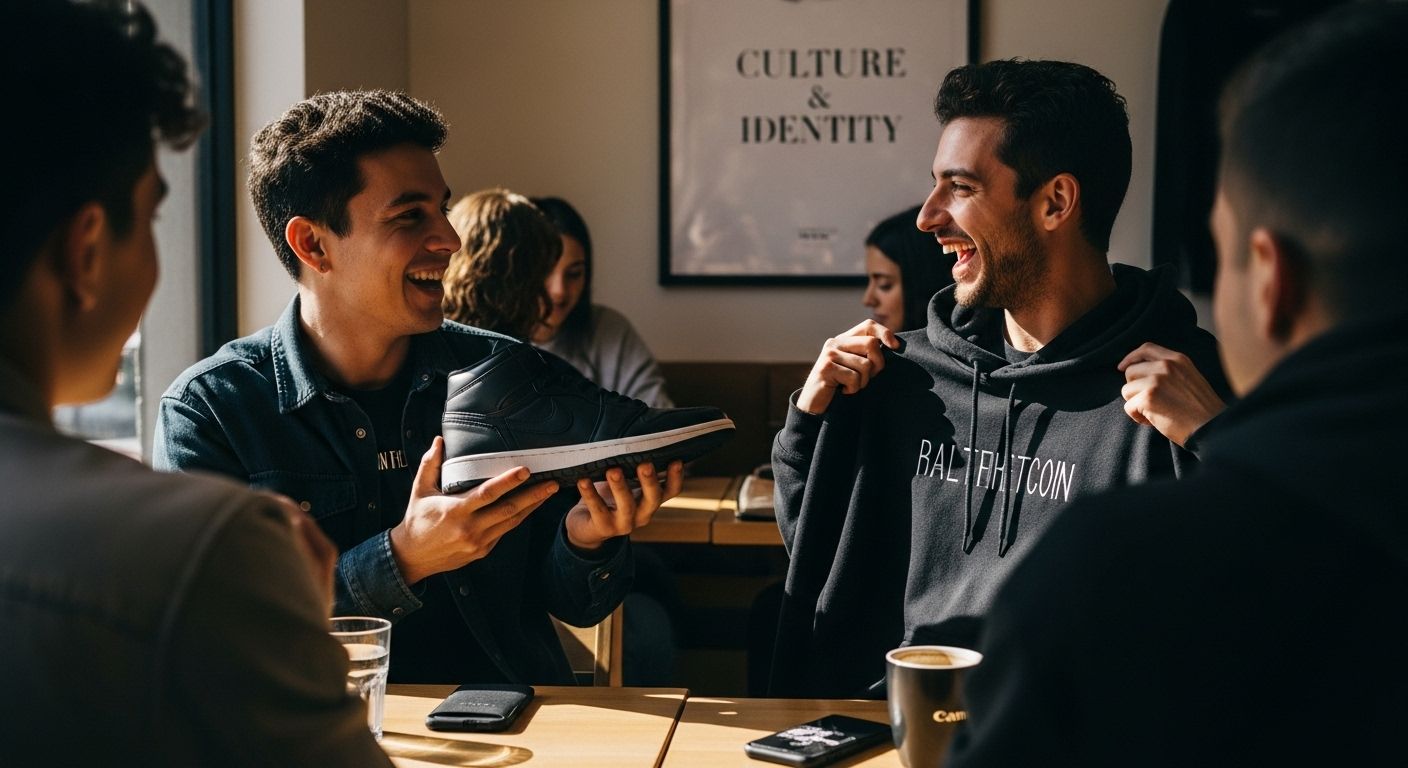
Today, streetwear represents more than clothing consumption. It is a sophisticated cultural mechanism for identity construction, economic interaction, and social communication.
Experience Streetwear That Goes Beyond the Surface
Tired of identity-driven apparel systems that feel generic or disconnected from the culture you care about? Our article uncovered how streetwear’s popularity is fueled by personal identity, storytelling and a desire for exclusive drops. Yet finding clothing that truly reflects your individuality and passion for subcultural lore can still be a struggle. That is where Multiversity Store steps in, blending popular urban styles with immersive character-driven narratives and limited collectibles. Discover sweaters crafted with street-ready stories or uniquely designed pants that turn every outfit into a statement about who you are and what you value.

It is time to wear what inspires you and connect with a community that values authenticity and originality. Explore the latest drops and become part of a world where every piece of streetwear is more than just clothing. Visit Multiversity Store now and claim your spot before the next limited collection disappears.
Frequently Asked Questions
What factors contribute to the popularity of streetwear today?
Streetwear’s popularity today stems from its rich cultural roots, emphasis on individual expression, and the influence of social media, which allows for rapid trend sharing and community engagement.
How does streetwear serve as a form of self-expression?
Streetwear allows individuals to express their identity, cultural affiliations, and personal narratives through clothing choices that often challenge mainstream fashion norms.
What role do limited editions play in streetwear’s appeal?
Limited editions create a sense of exclusivity and urgency, transforming clothing into collectible items that enhance the perceived value and desirability of the garments.
How has social media influenced streetwear trends?
Social media platforms have accelerated trend adoption by allowing users to engage in real-time fashion curation and become instant trendsetters, influencing the evolution of streetwear styles globally.
Recommended
- Understanding the Role of Streetwear in Culture
- Understanding What is Streetwear Community
- Understanding Streetwear vs Urban Fashion
- Urban Clothing Explained
Enter Glitchwave
Enter Illusion Layer
Enter Rebel
Enter Algorithm Override
Enter Void Signal
Enter Fate Stack
EARLY ACCESS
Get Access Before Public Release
Join the Multiversity signal list for limited releases, Mode updates, and early access windows.